

Dr. Joseph Jacobs Receives Patent for Scar Tissue Mobilization Instruments Addressing Fibrosis and Fascial Adhesions
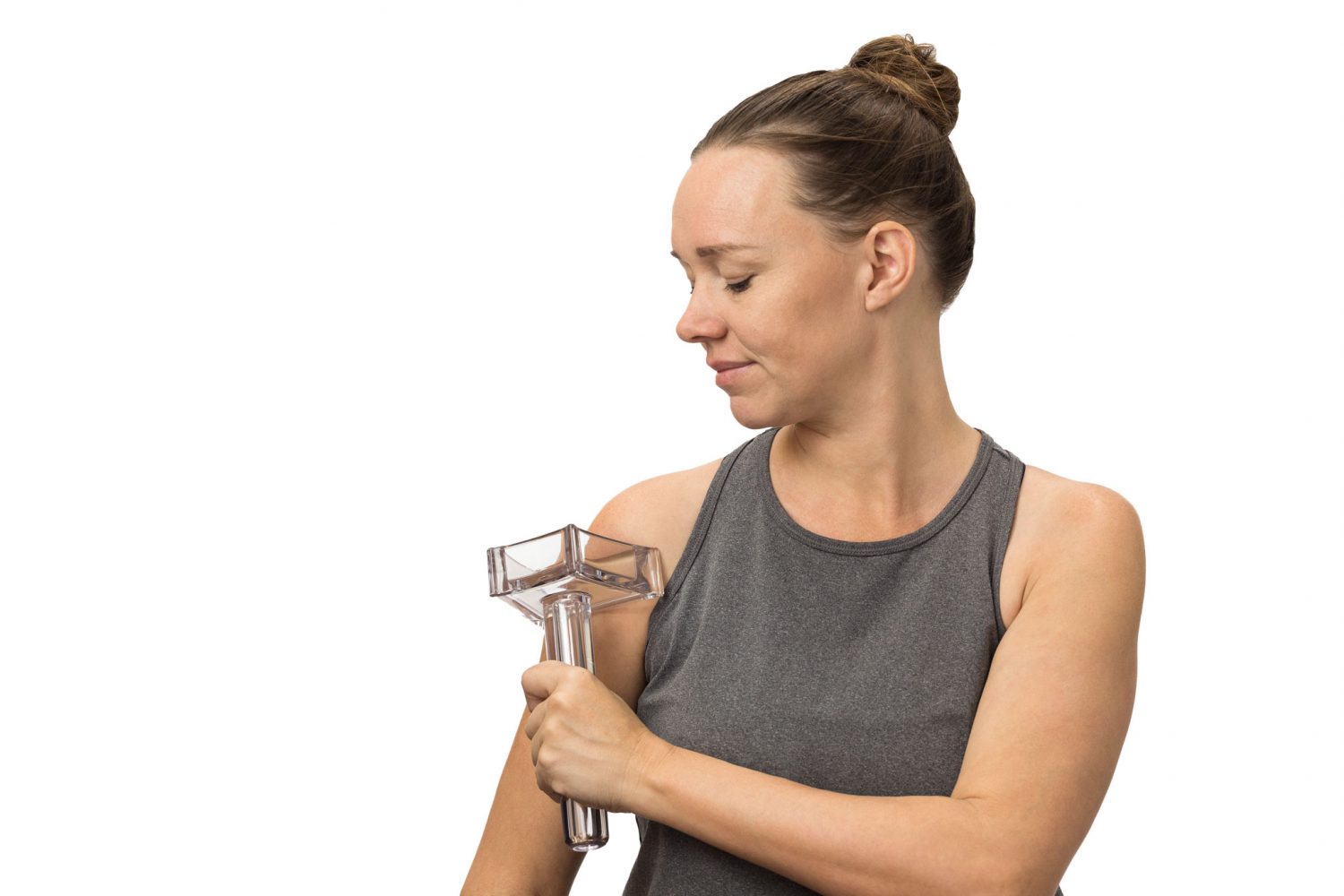
ASTR Scar tissue release tool

Dr. Joseph Jacobs, DPT, ACN
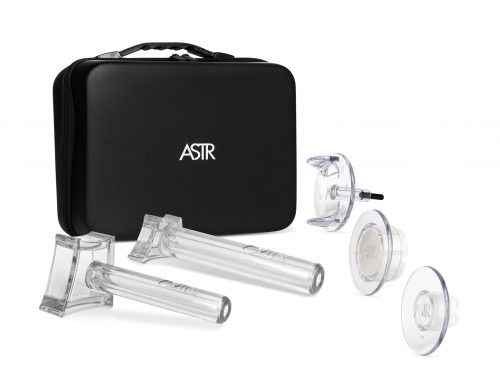
ASTR Tools

ASTR Institute
Patent issued for precision-engineered scar tissue release tools designed for connective tissue fibrosis and fascial restriction management
Scar tissue formation is a natural biological response to surgery, trauma, inflammation, and repetitive mechanical stress. Each year, millions of surgical procedures are performed in the United States alone, resulting in postoperative scar formation. While scar development is a normal component of tissue healing, connective tissue fibrosis and adhesions may influence tissue glide, joint mechanics, nerve mobility, and structural movement patterns. The newly patented scar tissue mobilization system introduces a fibrosis-specific instrument design intended for use within structured rehabilitation protocols.
Expanding Clinical Attention on Scar Tissue and Connective Tissue Fibrosis
Fascia research has expanded significantly over the past two decades. Connective tissue, once viewed primarily as structural support, is now widely recognized as a dynamic system contributing to force transmission, proprioception, and movement coordination. Within this evolving field, fascial adhesions and connective tissue fibrosis have become areas of increasing interest.
Fibrosis refers to the thickening and densification of connective tissue due to collagen deposition following injury or inflammation. Scar tissue may exhibit disorganized collagen fiber alignment, altered hydration, and reduced elasticity compared to surrounding tissue. In some individuals, this structural alteration may contribute to restricted mobility or persistent musculoskeletal discomfort.
Musculoskeletal pain remains one of the leading causes of disability globally. According to the World Health Organization, musculoskeletal disorders significantly affect mobility, productivity, and quality of life across populations. Within this broader context, clinicians continue to examine mechanical contributors to chronic pain, including scar tissue and fascial adhesions. Dr. Jacobs’ patented scar tissue release tools were developed to provide a controlled mechanical interface specifically designed for fibrotic tissue characteristics.
The Need for Fibrosis-Specific Instrument Design
Instrument assisted soft tissue mobilization (IASTM) has long been incorporated into rehabilitation practice. Traditional IASTM tools are commonly used to address muscle tightness and superficial tissue restriction. However, not all instruments are engineered specifically for the biomechanical properties of fibrotic tissue. Connective tissue fibrosis differs structurally from normal muscle tissue. Fibrotic bands may feel rope-like, nodular, or densified. They may also exhibit altered gliding properties relative to adjacent tissue layers. These characteristics require a distinct mechanical approach.
Dr. Jacobs’ patented scar tissue mobilization instruments were designed with these properties in mind. Rather than functioning solely as scraping tools, the instruments are contoured to allow progressive engagement with tissue layers while maintaining practitioner control. The patent covers design elements related to edge configuration, ergonomic contouring, and application mechanics for connective tissue fibrosis therapy.
Engineering Features of the Patented Scar Tissue Release Tools
The patented scar tissue release tools incorporate several design characteristics intended to support structured fibrosis therapy within musculoskeletal rehabilitation settings.
Key features include:
- Anatomically contoured surfaces to follow connective tissue planes
- Variable edge geometries to address superficial and deeper adhesions
- Balanced weight distribution to reduce practitioner strain
- Smooth bevel transitions to minimize superficial irritation
- Ergonomic grip structures for controlled force application
- Multiple surface widths for regional treatment flexibility
These features were developed through iterative prototyping and clinical testing. The design emphasizes precision and consistency in scar tissue mobilization. By allowing clinicians to detect textural variations within connective tissue, the tools aim to facilitate structured engagement with fascial adhesions while maintaining controlled mechanical input.
Origin of the Innovation
The development of the patented scar tissue release tools emerged from Dr. Jacobs’ combined personal and professional experience. Following postoperative recovery from cancer treatment, he experienced scar adhesions and fascial restriction that influenced mobility. Through clinical practice, he observed similar connective tissue patterns among patients presenting with persistent musculoskeletal pain. Many individuals had undergone prior therapy that addressed muscle tightness but did not specifically target fibrotic tissue. “Scar tissue is mechanically distinct from muscle,” Dr. Jacobs stated. “In rehabilitation settings, it became clear that fibrosis required tools engineered for its structural properties. The objective was to create instruments that support controlled interaction with connective tissue.” The resulting design underwent multiple refinements before patent issuance.
Clinical Context: Scar Tissue, Fascial Adhesions, and Musculoskeletal Pain
Scar tissue formation occurs in a wide range of clinical scenarios, including:
- Postoperative healing
- Sports injuries
- Tendon strain
- Burn recovery
- Repetitive stress conditions
- Traumatic injury
In some cases, adhesions may limit fascial glide or contribute to altered tension distribution. Fascial restriction has been discussed within rehabilitation literature as a factor influencing joint mechanics and movement patterns.
Connective tissue fibrosis may affect:
- Range of motion
- Tissue hydration
- Structural alignment
- Neuromuscular coordination
While not all scar tissue results in functional limitation, clinicians increasingly recognize that fibrosis may represent a mechanical variable within persistent musculoskeletal pain presentations. The patented scar tissue mobilization tools were developed to provide clinicians with an instrument option tailored to these mechanical considerations.
Relationship to Instrument Assisted Soft Tissue Mobilization (IASTM)
IASTM tools are widely used in physical therapy, chiropractic, and sports medicine environments. Traditional instruments are often designed for general soft tissue mobilization. The patented scar tissue release tools differ in that their engineering focuses on fibrosis-specific engagement. The edge geometry and surface contour aim to allow graded interaction with dense connective tissue rather than superficial scraping alone. This distinction aligns with evolving fascia research emphasizing layered tissue interaction and connective tissue biomechanics.
Applications Within Rehabilitation Practice
The patented scar tissue mobilization instruments are used in clinical settings that include:
- Physical therapy clinics
- Sports rehabilitation centers
- Chiropractic practices
- Occupational therapy environments
- Manual therapy programs
Applications may include:
- Postoperative scar management
- Fascial adhesion mobilization
- Connective tissue fibrosis therapy
- Structured soft tissue rehabilitation
Clinicians integrate the instruments within broader treatment protocols that may include exercise, postural retraining, and movement reeducation.
The tools are not pharmaceutical interventions. Their use involves mechanical interaction with connective tissue as part of rehabilitation strategies.
Educational Integration Through the ASTR Methodology
The scar tissue release system is incorporated into the Advanced Soft Tissue Release (ASTR) methodology, an educational framework addressing connective tissue assessment, scar tissue mobilization, and biomechanical rehabilitation strategies.
Training programs provide instruction regarding:
- Connective tissue anatomy
- Fibrosis identification
- Safe application parameters
- Tissue response monitoring
- Integration with therapeutic exercise
This educational component supports structured clinical use of the patented instruments.
Public Health Perspective on Musculoskeletal Disorders
Musculoskeletal disorders remain a major contributor to disability worldwide. According to international health data, back pain, neck pain, and joint disorders are among the most commonly reported causes of functional limitation. As rehabilitation science advances, clinicians continue to explore mechanical contributors to persistent pain. Connective tissue fibrosis and fascial adhesions represent one area of ongoing investigation. Scar tissue mobilization tools contribute to this evolving conversation by providing a device specifically engineered for fibrotic tissue mechanics.
Patent Protection and Innovation in Medical Devices
Securing patent protection reflects formal recognition of novel design elements within the instrument system. Patent issuance acknowledges distinct structural and functional characteristics of the scar tissue release tools. Innovation within medical device design often emerges from clinical observation and unmet therapeutic needs. In this case, the development focused on addressing limitations observed in traditional instrument assisted soft tissue mobilization tools. The patented system represents one example of continued advancement in rehabilitation device engineering.
Statement from Dr. Joseph Jacobs
“The intention was to create instruments that allow precise engagement with connective tissue fibrosis while maintaining practitioner control,” Dr. Jacobs said. “Scar tissue and fascial adhesions are common in clinical practice, and tools should reflect their mechanical properties.”
Broader Implications for Fascia Research
Interest in fascia research has expanded across disciplines, including rehabilitation science, biomechanics, and sports medicine. The recognition of fascia as a continuous connective tissue network has prompted renewed attention to scar tissue and fibrotic adhesions.
Scar tissue release tools designed for fibrosis therapy may contribute to ongoing exploration of how mechanical input influences connective tissue adaptation. While further research continues to examine connective tissue remodeling, structured mechanical mobilization remains an established component of many rehabilitation programs.
About Dr. Joseph Jacobs
Dr. Joseph Jacobs is a Doctor of Physical Therapy and Advanced Clinical Nutritionist specializing in musculoskeletal rehabilitation, connective tissue biomechanics, and integrative recovery strategies. He is the founder of ASTR Institute and the inventor of patented scar tissue mobilization instruments.
His work focuses on structural contributors to musculoskeletal pain, fascia research integration, and connective tissue fibrosis management.
About ASTR Institute
ASTR Institute provides education and research-informed resources related to soft tissue rehabilitation, connective tissue biomechanics, and structural mobility strategies. The patented scar tissue release tools are part of its broader focus on fascia and fibrosis therapy education.
Dr. Joseph Jacobs, DPT
ASTR Institute
+1 949-236-6862
email us here
Visit us on social media:
LinkedIn
Instagram
Facebook
YouTube
TikTok
X
Scar Tissue Mobilization Instruments Addressing Fibrosis and Fascial Adhesions
Legal Disclaimer:
EIN Presswire provides this news content "as is" without warranty of any kind. We do not accept any responsibility or liability for the accuracy, content, images, videos, licenses, completeness, legality, or reliability of the information contained in this article. If you have any complaints or copyright issues related to this article, kindly contact the author above.
