

American Diabetes Month Highlights DPN, Diabetic Foot Ulcers, and Eye Disease

Clinical Research Highlights Hyperbaric Oxygen Therapy for Diabetic Foot Ulcer Healing
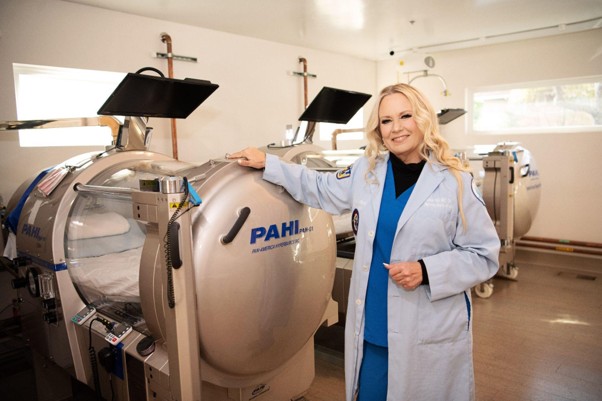
hyperbaric recovery
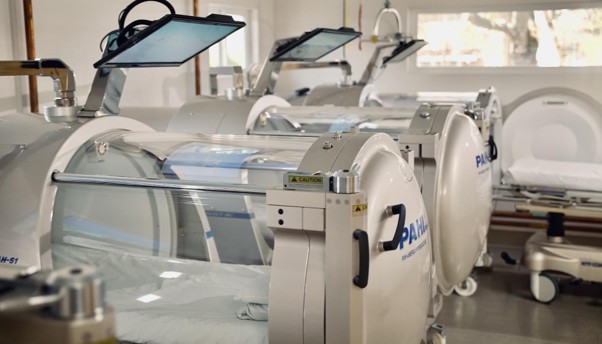
Advanced Hyperbaric Recovery Inc.

hyperbaric oxygen therapy center in San Rafael, California..
American Diabetes Month highlights diabetic complications and HBOT's role in foot ulcer care, with ongoing research into nerve and eye health.
SAN RAFAEL, CA, UNITED STATES, November 2, 2026 /EINPresswire.com/ -- American Diabetes Month highlights the importance of understanding diabetes-related complications and the steps that support long-term health. Diabetes can affect blood circulation, nerves, skin, and eyesight. These complications can develop gradually, making regular medical care important for protecting tissue health and reducing the risk of serious problems. Hyperbaric oxygen therapy (HBOT) is used as an adjunctive treatment for certain diabetes-related wounds, particularly diabetic foot ulcers that meet clinical criteria. Research is also examining its role in diabetic peripheral neuropathy and diabetic eye disease.How Diabetes Affects Blood Flow and Tissue Health
High blood glucose levels can damage blood vessels and nerves over time. Poor circulation reduces the supply of oxygen and nutrients to body tissues, while nerve damage can reduce sensation in the feet. A small cut, blister, or pressure injury can therefore go unnoticed and develop into a diabetic foot ulcer.
Peripheral vascular disease (PVD) can further limit blood flow to the legs and feet. Reduced circulation makes wound healing more difficult and increases the risk of infection and tissue damage. Early medical assessment, blood glucose management, foot checks, and appropriate wound care are important parts of diabetes management.
How Hyperbaric Oxygen Therapy Supports Wound Healing
Hyperbaric oxygen therapy (HBOT) involves breathing 100% medical-grade oxygen inside a slightly pressurized HBOT chamber. The increased pressure allows more oxygen to dissolve into the bloodstream and reach tissues throughout the body up to 4 times further or deeper than normal. This additional oxygen can support processes involved in wound repair, including collagen formation, new blood vessel development, and the body's response to infection. HBOT also can give you an 8-Fold increase in your own stem cell production.
For diabetic foot ulcers that meet established clinical criteria, hyperbaric oxygen therapy can be used alongside standard wound care. It does not replace wound cleaning, pressure relief, infection management, blood flow assessment, or diabetes treatment. A qualified medical team determines whether the therapy is appropriate based on the wound and the patient's overall condition.
Diabetic Foot Ulcers and the Importance of Early Care
Diabetic foot ulcers are open sores that commonly develop on the feet because of reduced sensation, pressure, poor circulation, or a combination of these factors. Without proper treatment, an ulcer can become infected and damage deeper tissues. Severe complications can lead to hospitalization or amputation.
Care includes regular wound assessment, removal of damaged tissue when needed, pressure relief, infection treatment, and evaluation of circulation. Hyperbaric oxygen therapy can be considered as an adjunct for certain chronic or complex diabetic foot ulcers, particularly those that have not responded adequately to appropriate standard care. Early treatment and consistent follow-up are essential to improving the chances of healing.
Peripheral Vascular Disease and Oxygen Delivery
Peripheral vascular disease can reduce blood flow to the legs and feet, limiting the oxygen supply needed for tissue repair. People with diabetes face a higher risk of blood vessel damage, which can contribute to slow-healing diabetic foot ulcers. Medical assessment helps identify circulation problems and guide appropriate treatment, including medication, lifestyle changes, or procedures to improve blood flow. Hyperbaric oxygen therapy helps increase oxygen availability in the blood, allowing more oxygen to reach tissues and support the body's wound-healing processes. It is used alongside appropriate wound care and vascular treatment to support recovery and improve the conditions needed for tissue repair.
Diabetic Peripheral Neuropathy and Nerve Health
Diabetic peripheral neuropathy (DPN) is nerve damage associated with diabetes. Common symptoms include numbness, tingling, burning pain, and reduced sensation in the feet. Reduced sensation can make it harder to notice cuts or pressure injuries, increasing the risk of diabetic foot ulcers and related complications.
A 2024 systematic review and meta-analysis published in Medicine examined 14 randomized controlled trials involving 1,323 patients. The findings reported improved treatment response and improvements in motor and sensory nerve conduction measures among patients receiving hyperbaric oxygen therapy alongside standard treatment. These results highlight its potential to support nerve function and symptom management as part of comprehensive diabetes care. Blood glucose management, symptom relief, foot protection, and regular medical monitoring remain important parts of ongoing care.
Diabetic Eye Disease and Oxygen Support
Diabetes can damage the small blood vessels in the retina, causing diabetic retinopathy. Diabetic macular edema can also develop, leading to fluid buildup in the central retina and affecting vision. Regular eye examinations help identify these conditions and guide appropriate care.
A study published in the Journal Français d’Ophtalmologie examined patients with diabetic retinopathy who received hyperbaric oxygen therapy in connection with diabetic foot ulcer treatment. The treatment group received 30 sessions lasting 90 minutes at 2.5 ATA. Researchers reported that retinal changes remained stable or improved, alongside a reduction in central macular thickness compared with the control group. These findings highlight the importance of investigating oxygen-based approaches in diabetes-related tissue health. Regular eye examinations and care from an eye specialist remain essential for protecting vision and managing diabetic eye conditions.
Case Study 1: Clinical Research Highlights Hyperbaric Oxygen Therapy for Diabetic Foot Ulcer Healing
A prospective, randomized, controlled study conducted at a medical center in Kaohsiung City, Taiwan, examined the role of hyperbaric oxygen therapy as part of wound care for patients with nonhealing diabetic foot ulcers. The research evaluated wound closure, blood flow, inflammation markers, blood glucose control, amputation rates, and health-related quality of life.
The study included 38 patients with nonhealing diabetic foot ulcers who were considered poor candidates for vascular surgery. Participants received standard wound care, with one group also receiving hyperbaric oxygen therapy. Treatment was delivered in a pressurized chamber at 2.5 atmospheres absolute (ATA) for 120 minutes per session, five days a week over four consecutive weeks.
The treatment plan incorporated standard wound care, including removal of dead tissue, appropriate topical treatment, dietary management, and medication to help maintain blood glucose levels. This approach allowed researchers to assess hyperbaric oxygen therapy as an adjunct to established wound management practices.
The study reported complete wound closure in five patients who received hyperbaric oxygen therapy alongside standard wound care. Researchers also observed improvements in inflammation markers, blood flow, and health-related quality of life in this group. Hemoglobin A1c levels showed a statistically significant improvement following treatment.
The findings highlight the role of hyperbaric oxygen therapy as an adjunctive treatment option for diabetic foot ulcers. By increasing oxygen availability in body tissues, the therapy supports biological processes involved in wound repair. Treatment decisions are made by qualified medical professionals as part of an individualized wound care plan.
CaseStudy1:
https://www.ovid.com/jnls/jwocnonline/abstract/10.1097/won.0000000000000374~adjunctive-hyperbaric-oxygen-therapy-for-healing-of-chronic
CaseStudy2:
https://pubmed.ncbi.nlm.nih.gov/20427683/
CaseStudy3:
https://pubmed.ncbi.nlm.nih.gov/38064614/
A Coordinated Approach to Diabetes Care
Managing diabetes-related complications requires a coordinated plan that addresses blood glucose, circulation, nerve health, wound care, and eye health. Regular foot examinations, prompt attention to wounds, and scheduled eye screenings can help identify complications early. Patients with persistent or complex wounds should receive an assessment from qualified clinicians to determine the appropriate treatment options.
American Diabetes Month serves as a reminder that early recognition and evidence-based care are important for reducing the impact of diabetes complications. Hyperbaric oxygen therapy has an established adjunctive role for certain diabetic foot ulcers, while its use for diabetic peripheral neuropathy and diabetic eye disease remains under investigation.
About Advanced Hyperbaric Recovery Inc.
Advanced Hyperbaric Recovery Inc. is an award-winning, medical-grade, outpatient hyperbaric oxygen therapy center in San Rafael, California. The center provides physician-directed treatment using hard-shell medical-grade HBOT chambers and 100% medical-grade oxygen. Its clinical focus includes Hyperbaric Oxygen Therapy for diabetic foot ulcers, diabetic peripheral neuropathy (DPN), and diabetic eye disease. The center emphasizes medically guided treatment as part of a broader approach to wound healing and recovery.
Media Contact:
Advanced Hyperbaric Recovery
Address: Advanced Hyperbaric Recovery, 1118 Irwin St, San Rafael, CA 94901
Fax: (415) 785-8697
Phone: (415) 785-8652
Advanced Hyperbaric Recovery
Advanced Hyperbaric Recovery
+1 (415) 785-8652
Visit us on social media:
Instagram
Facebook
Legal Disclaimer:
EIN Presswire provides this news content "as is" without warranty of any kind. We do not accept any responsibility or liability for the accuracy, content, images, videos, licenses, completeness, legality, or reliability of the information contained in this article. If you have any complaints or copyright issues related to this article, kindly contact the author above.
